
dioramas
BRUJO
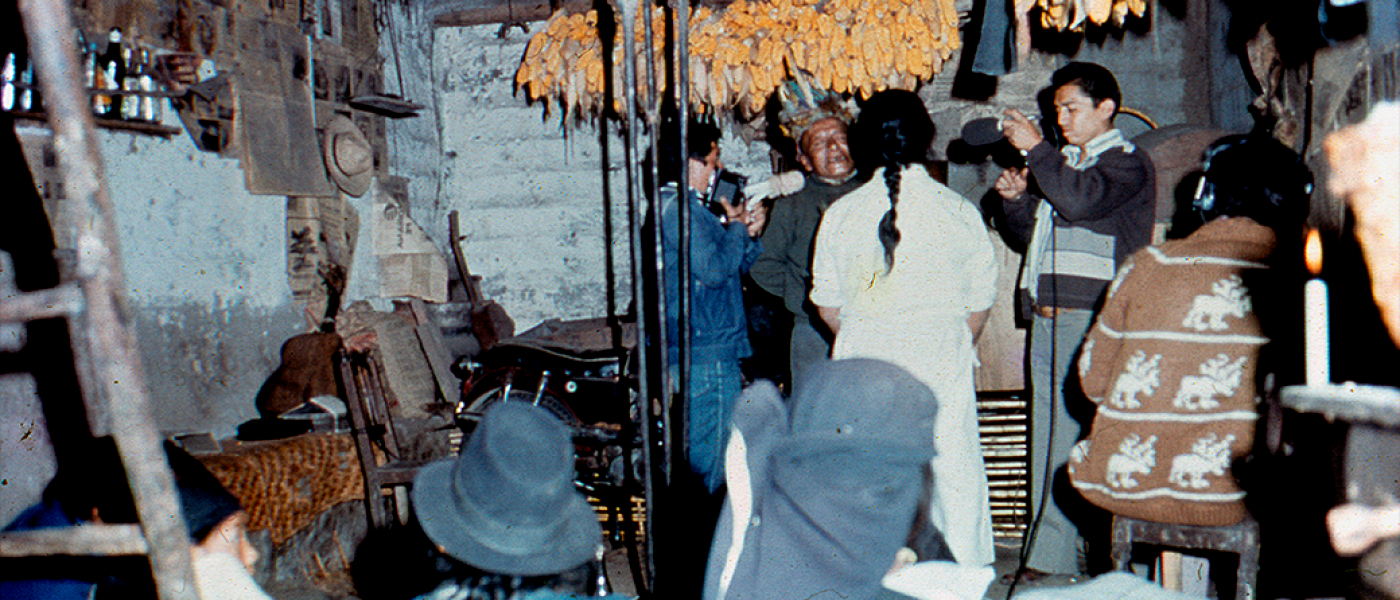
El brujo se iniciaba como asistente de un veterano en el oficio. Ser brujo no garantizaba ingresos estables, y muchos llevaban una vida común con otras ocupaciones.
El brujo se iniciaba como asistente de un veterano en el oficio. Ser brujo no garantizaba ingresos estables, y muchos llevaban una vida común con otras ocupaciones.
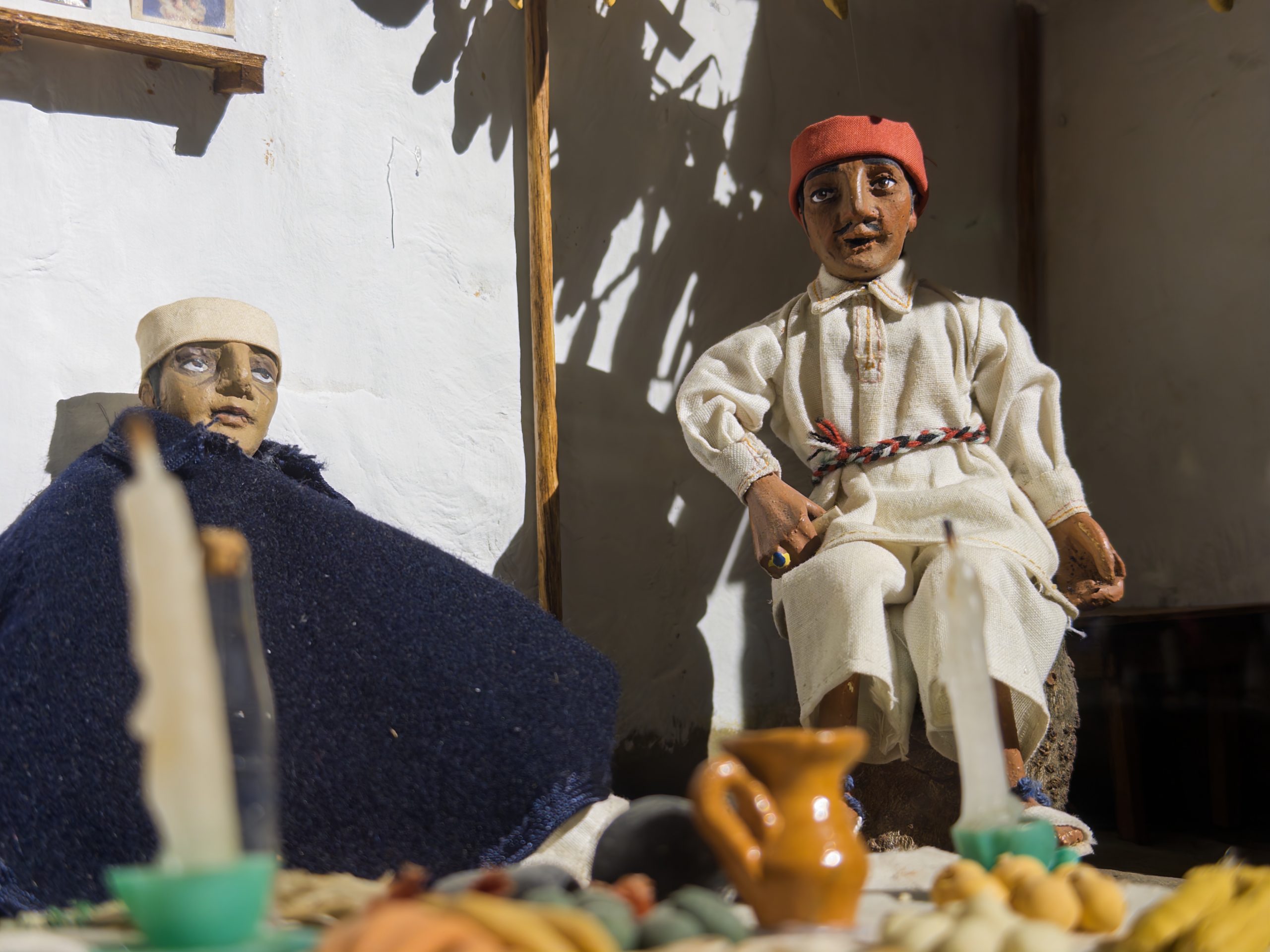
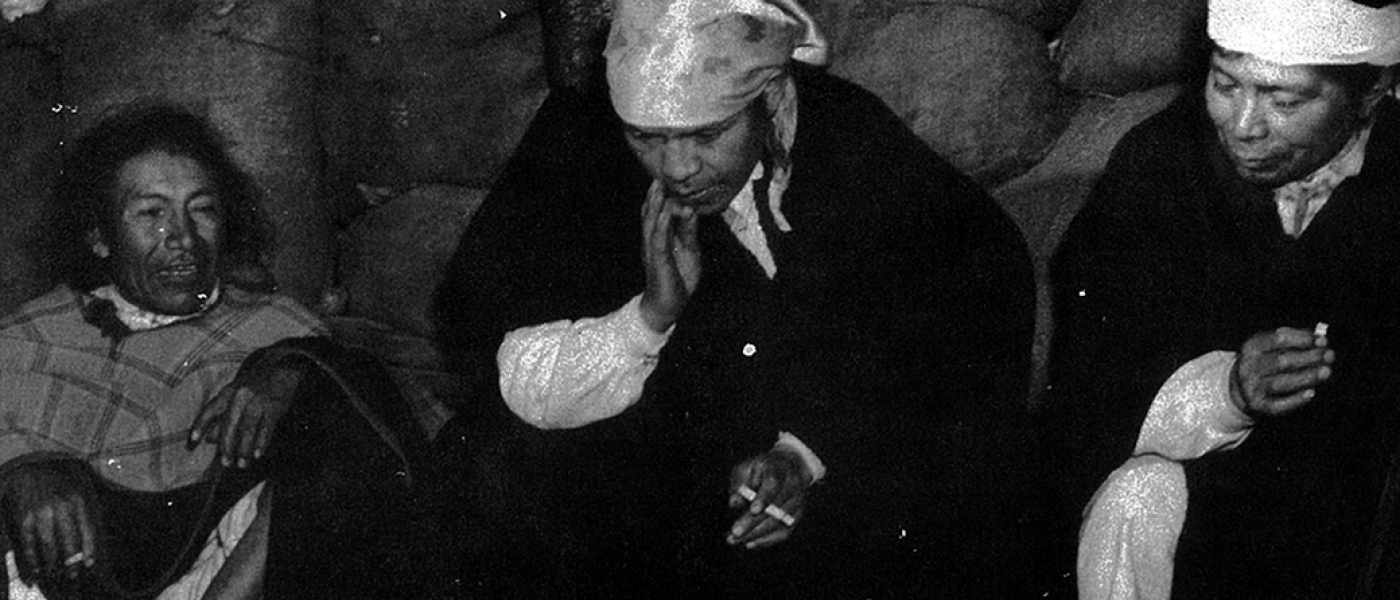
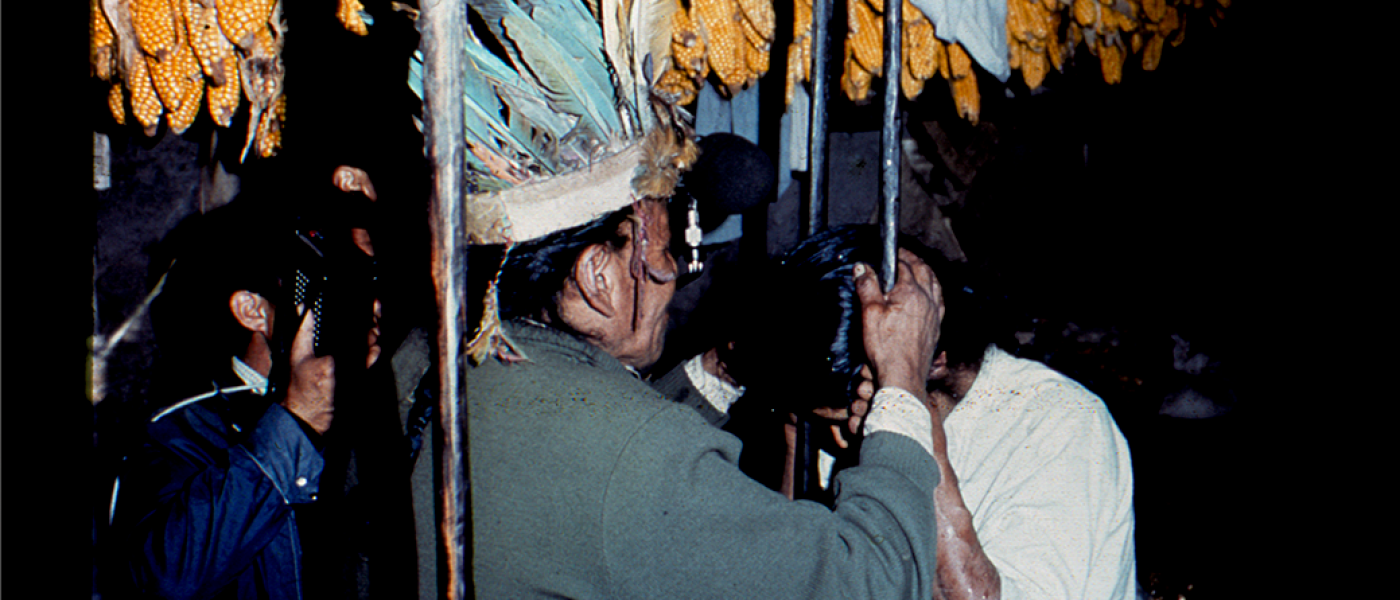
Una de las principales actividades de los brujos era curar enfermedades. El enfermo acudía al brujo llevando lo necesario para su tratamiento: una botella de aguardiente, cigarrillos, fósforos, huevos, rosas, claveles y hierbas medicinales. El brujo utilizaba un pañuelo de seda en la frente y en algunos casos vestía poncho. Preparaba un “altar” y extendía una estera cubierta con pétalos de flores. Durante el ritual, el enfermo permanecía inmóvil mientras el brujo frotaba huevos por su cuerpo y soplaba alcohol y tabaco.
Witchdoctor was initiated as an assistant to a veteran. Being a witchdoctor did not guarantee a stable income, and many led a common life with other occupations.
One of the main activities of witchdoctors was to cure illnesses. Sick person would go with the necessary implements for treatment: a bottle of aguardiente, cigarettes, matches, eggs, roses, and medicinal herbs. Witchdoctor, wearing a scarf on his forehead, would prepare an “altar” on which implements were placed and spread a mat covered with flower petals. During the ritual, sickperson remained motionless while witchdoctor rubbed eggs over his body and blew alcohol and tobacco.
Yachak tikrankapakka, ruku taytakunatarami katishpa yachahuna kashka. Yachak tikraypash mana kullkita uchalla tantachita usharinchu kashkanka chaymi shuk ruraykunantin kawsana kashkanka.
Yachakkunaka unkuykunatami hampin. Unkushkakunaka upyana puruta, tabakuta, nina hapichinata, lulunta, sisata, wayta sisata, hampi yurakunata hampichun apashpa rin kashkanka. Yachakka yura pintutami umapi watarishpa shinallatak ruwanata churarishpa, sisakunawan altarta rurashpa, lulunwan unkushkata hakuchishpa, puruta paypi shitashpa, tabakuwan hampin kashkanka.